


Guide to Wedding Dress Codes: From Black Tie to Cocktail Attire and Everything In Between
Weddings are not only a celebration of love but also a carefully curated experience for guests. One of the most important and often misunderstood elements of guest experience is the wedding dress code.
For luxury weddings, a clear dress code elevates the event, reinforces the design aesthetic, and helps guests arrive confidently and appropriately dressed.
However, many guests struggle to interpret terms such as black-tie optional, garden formal, or cocktail attire.
As a wedding planner and event designer, helping couples clearly communicate their attire expectations is part of creating a seamless experience.
Whether you're a guest wondering what to wear or a couple planning attire expectations, this guide helps you navigate wedding dress codes with ease.

Why Wedding Dress Codes Matter for a Luxury Event
For a luxury wedding, every detail is thoughtfully considered, from the venue and floral design to the guest experience. A clearly defined wedding dress code not only sets the tone for the celebration but also reflects the host’s vision, helping guests align with the style, elegance, and atmosphere the couple has carefully curated.
Whether the setting is a refined mountain estate in Colorado or an elegant coastal venue in Southern California, a well-communicated dress code ensures the celebration feels polished, intentional, and effortlessly beautiful.
Setting the Tone for the Celebration
Dress codes immediately signal the level of formality of the event. They help align guest attire with the event's aesthetic vision.
Guest attire becomes part of the visual atmosphere at events, and it is especially important to feel cohesive with the:
Location of the venue (i.e. beach, mountains, desert, etc.)
Color palette of the celebration
Couples' style and aesthetic,
Overall design for the day
Avoiding Guest Confusion
Guests often worry about being over or underdressed. A clear wedding dress code eliminates uncertainty and helps guests prepare accordingly.
Supporting Venue and Setting
Mountain estates, beach resorts, and historic ballrooms all call for different attire expectations, given the different landscape and weather conditions. Providing clear guidelines ensures guests are dressed appropriately for the setting so they feel comfortable and supported at your celebration.

How to Communicate a Wedding Dress Code Clearly to Guests
Even the most thoughtfully chosen dress code can create confusion if it isn’t clearly communicated to guests. Providing clear guidance helps everyone feel confident about what to wear while maintaining the celebration's overall aesthetic cohesiveness.
Where to Include Dress Code Information:
Invitations
Wedding website
Details card
Welcome communication for destination weddings
Simply stating “formal” is often not enough. A short explanation can be a helpful way to communicate your expectations to guests.
Include:
Seasonal guidance
Footwear suggestions
Climate considerations (especially in Colorado and destinations worldwide)
You may also choose to provide style inspiration, such as mood boards, color palettes, and style examples on your wedding website.
When expectations are clearly outlined, guests can focus less on what to wear and more on enjoying the celebration.
Sample Dress Code Language for Wedding Websites
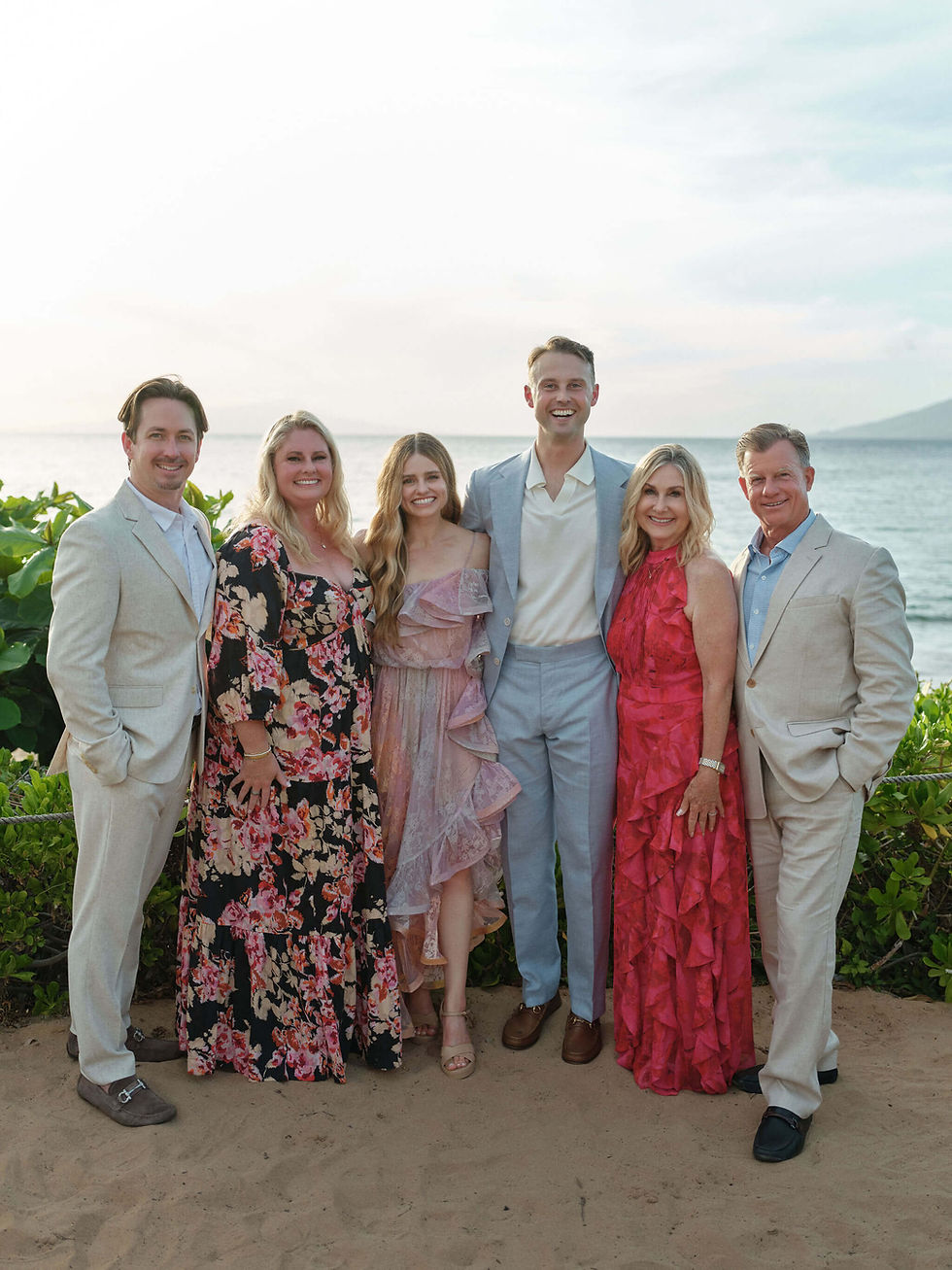
For our Maui welcome reception, we invite you to dress in island cocktail attire - a polished yet relaxed look that feels festive and appropriate for an evening by the ocean.
For women, think flowy midi or maxi dresses, chic jumpsuits, or dressy tops paired with skirts or tailored trousers in lightweight fabrics and tropical or vibrant hues.
For men, a lightweight suit or blazer with dress trousers, or a polished button-down or linen shirt with tailored pants, is perfect for the setting.
The reception will take place on the sand, so please plan footwear accordingly - wedges, block heels, dressy flats, or loafers are great options. Kindly note that very casual sandals or flip-flops and Hawaiian shirts are not formal enough for this celebration.

Understanding the Most Common Wedding Dress Codes
Wedding dress codes can range from relaxed to exceptionally formal, and the terminology can sometimes confuse guests.
Understanding the most common wedding dress codes helps everyone arrive appropriately dressed while supporting the celebration's overall vision.
By clearly defining what each style means, couples can ensure their guests feel confident in their attire while contributing to a beautifully cohesive event.
White Tie: The Most Formal Wedding Dress Code
White-tie dress codes are often seen at historic estates, grand ballrooms, and luxury cultural events.
For Men:
Tailcoat
White bow tie
Formal waistcoat
Patent leather shoes
For Women:
Full-length evening gowns
Elegant jewelry
Formal hairstyles

Black Tie: The Classic Luxury Wedding Dress Code
Black tie is the most common dress code for elegant evening weddings, often requested for weddings at luxury resorts, ballroom receptions, and private estates.
For Men:
Black tuxedo
Black bow tie
White dress shirt
Formal shoes
For Women:
Floor-length gown
Statement jewelry and formal styling

Formal or Black Tie Optional: Elegant but Slightly More Flexible
This wedding dress code is a popular choice for couples who want an elegant event but with a bit more guest flexibility. The slightly less formal dress code works best at mountain weddings, estate weddings, or luxury outdoor celebrations.
For Men:
Tuxedo preferred, but not required
Dark formal suit is acceptable
For Women:
Floor-length gown or dressy pantsuit
Formal cocktail dresses

Cocktail Attire: Sophisticated but Social and Stylish
Cocktail attire is common for stylish evening receptions or modern weddings. Couples often choose cocktail attire for modern city weddings, rooftop venues, or contemporary art spaces.
For Men:
Suit and tie
Polished shoes
For Women:
Knee-length or midi dresses
Elegant heels or dressy flats

Semi-Formal or Dressy Casual: Elevated Style with a Relaxed Edge
Semi-formal or dressy casual strikes a balance between polished and approachable. The timing of the event matters with this dress code. Evening events call for more formal attire, while daytime celebrations lean more casual.
For Men:
Dress shirt and slacks, with the option to wear a tie
Leather dress shoes or stylish loafers
Optional blazer or lightweight sport coat
For Women:
Below-the-knee dresses, slip dresses, a dressy skirt and top, or an elegant pantsuit
Heels, nice wedges, or formal flats
Statement jewelry or refined accessories to elevate the outfit

Garden Formal: Refined Attire for Outdoor Celebrations
Garden formal attire is a favorite for Southern California coastal venues and estate gardens.
For Men:
Light suit
Dress shirt
Optional tie
For Women:
Flowing dresses, midi or maxi preferred
Floral prints
Dressy sandals or heels suitable for grass

Beach Formal: Elegant But Relaxed Coastal Style
Upscale seaside weddings often request beach formal attire for guests to combine luxury with relaxed sophistication..
For Men:
Lightweight suit, light or neutral colors (tan, light gray, navy, or soft blue)
Linen or breathable fabrics
Loafers or slip-on dress shoes
For Women:
Flowing midi or maxi gowns
Dressy sandals, block heels, or wedges suitable for outdoor venues
Delicate jewelry and natural, effortless hairstyles
Mountain Formal: Elevated Elegance with Thoughtful Layering
Colorado weddings often require extra planning due to elevation and weather changes, such as rain or snow and varying temperatures depending on the season the event takes place. Mountain formal is a popular adaptation of formal attire for alpine venues.
For Men:
Dark suit or tuxedo
Layer options
For Women:
Long gowns
Wraps, shawls, or coats for cooler evenings
Heels appropriate for outdoor celebrations

Casual: Effortless, Polished Comfort for Relaxed Celebrations
A casual dress code allows guests to feel comfortable while still looking put-together. Think refined yet relaxed outfits that suit daytime or outdoor settings. Even though it’s a casual wedding dress code, jeans, shorts, tank tops, T-shirts, flip-flops, and sneakers are still not appropriate.
For Men:
Lightweight collared dress shirts or polos
Khakis or dress pants
Loafers or casual leather shoes
Optional sports jacket or tie for a touch of refinement
For Women:
Summer sundress or a floral-printed mini dress
Wedges or dressy sandals

Common Wedding Dress Code Questions
Can guests wear black to a wedding?
Yes, guests can wear black to a wedding. While black was once considered too somber for celebrations, modern wedding etiquette fully embraces it, especially for evening or formal events.
In fact, black is often a perfect choice for black-tie, formal, or cocktail-attire weddings because it looks polished, elegant, and timeless. Guests may simply want to style black attire with refined accessories or softer fabrics to keep the look celebratory.
Are short dresses acceptable for cocktail attire?
Short dresses can be appropriate for cocktail attire, depending on the style and fabric. For dress codes such as formal, cocktail, or black tie optional, a sophisticated midi-length dress is acceptable.
The key is choosing a design that feels elevated—think luxurious fabrics like silk, satin, or chiffon, elegant silhouettes, and refined accessories. For strict black tie events, however, floor-length gowns are preferred.
What should guests avoid wearing?
Guests should avoid attire that could distract from the couple or conflict with the event's formality. A few general guidelines include avoiding white or ivory (traditionally reserved for the bride), overly casual clothing such as denim, athletic wear, t-shirts, casual sandals, and extremely revealing or club-style outfits. Guests should also consider the venue and setting when choosing appropriate attire.
How do you politely ask for a dress code?
If guests are unsure about the dress code, it is perfectly appropriate to ask for clarification in a polite and considerate way. Most couples include attire guidance on their wedding website, which is often the easiest place to check first.
If additional clarification is needed, guests can politely ask the couple or a member of the wedding party with a simple message such as: “I want to make sure I dress appropriately for your celebration - could you clarify the dress code?” Couples and planners are happy to provide guidance.
How do you pick a wedding dress code?
Choosing a wedding dress code typically starts with the overall vision for the celebration. Couples should consider the venue, time of day, season, and the atmosphere they want to create. A formal ballroom reception may call for black-tie attire, while a coastal or garden celebration may suit cocktail or garden formal attire. If you aren’t sure where to start, consult with your wedding planner to help determine an appropriate dress code.
How I Help Guests Dress Appropriately
An experienced wedding designer doesn’t just plan décor - they curate the entire guest experience. Working with an experienced wedding designer can help couples select a dress code that complements the design aesthetic while ensuring guests feel comfortable and appropriately dressed.
Wedding designers assist couples by:
Selecting the right dress code for the venue and aesthetic
Crafting clear dress code language
Providing styling guidance for guests and bridal party members
Ensuring the attire aligns with the visual design of the celebration
This thoughtful guidance helps guests feel comfortable while maintaining the event's elegance.

Setting the Tone for an Unforgettable Celebration
Choosing the right wedding dress code does more than guide guest attire - it shapes the atmosphere of the entire wedding.
When communicated clearly and thoughtfully, it allows every guest to arrive feeling confident, comfortable, and ready to celebrate.
For couples planning a luxury wedding in Colorado or Southern California, thoughtful design and intentional details ensure that every element feels beautifully cohesive.
Every celebration begins with a story, and we would love to learn more about yours. Reach out for an initial consultation for wedding design services in Colorado, Southern California, and destinations worldwide. We look forward to hearing from you!

